White oak continues to dominate residential flooring projects, and it’s easy to see why. Its clean grain, neutral tone, and ability to take on everything from natural finishes to modern stains make it a favorite among homeowners and designers
alike.
But while white oak looks effortless when done right, experienced contractors know it can be one of the most challenging species to finish—particularly because of its natural tannin content. Achieving consistent color and long-term performance
with white oak requires a thoughtful, system-based approach.
White oak contains a high level of tannic acid, a naturally occurring compound found in many wood species. In living trees, tannins serve as a defense mechanism. Once the wood is milled and installed, however, they can influence how the floor responds
to staining and finishing.
Tannins are water-soluble and chemically reactive. When moisture is introduced during staining or finishing, tannins can migrate to the surface and react in ways that may cause:
- Dark or blotchy discoloration
- Pink, gray, or greenish undertones
- Visible lap lines or darker applicator marks
- Inconsistent color from board to board
These effects—often referred to as tannin pull or tannin bleed—don’t indicate a failure of the finish itself. They’re a natural characteristic of white oak and must be managed through proper preparation, sealer selection,
and process control to achieve the desired stain results.
Stay Informed: Bring Out the Best in Every Floor with Basic Coatings
Subscribe to Basic Coatings emails to join thousands of industry professionals and receive the latest product news, expert tips, training resources, and event invites—delivered straight to your inbox!
Yes, Sign Me Up!
Where Issues Can Show Up
Most tannin-related challenges don’t stem from poor workmanship. They’re typically the result of treating white oak like a less reactive species or skipping steps that stabilize the wood. Common risk areas include:
- Omitting a dedicated sealer before finishing
- Incomplete surface preparation, especially when residual sanding dust remains
- Insufficient dry time between coats
- Areas of heavier application where moisture lingers
- Light or modern stain colors that highlight even subtle variations
White oak offers very little margin for error. Without the right system in place, its natural chemistry can affect both color development and the final appearance—sometimes even after the floor initially looks perfect.
How Tannin Blocking Works
Tannin pull is not random—it follows a predictable, moisture-driven process. When moisture is introduced during staining or finishing, surface tannins can temporarily dissolve. This is a normal part of the finishing process—especially
in modern waterborne systems designed for performance, clarity, and efficiency. The key is controlling what happens next.
If left unmanaged, dissolved tannins can migrate into the wet coating layer—particularly in heavier application areas, lap lines, joints, or end grain where moisture remains longer. As the coating dries and forms a continuous film, those
tannins may concentrate near the surface, where natural oxidation or pH-sensitive reactions can create visible discoloration.
Effective tannin blocking doesn’t eliminate water interaction—it engineers around it. Modern tannin-controlling sealers are engineered with advanced polymer technology to manage this chemistry in 3 important ways:
- Controlled Moisture Interaction: Advanced sealers regulate how moisture interacts with the wood surface, limiting how much tannin becomes mobilized during application.
- Film Formation & Diffusion Control: As the sealer coalesces into a uniform, continuous film, it creates a tighter barrier that slows the upward movement of dissolved tannins into subsequent coats.
- Stabilization at the Surface: Well-formulated systems help stabilize tannins at the wood/coating interface during the critical wet phase—reducing their ability to influence final color.
When applied at proper spread rates and allowed to dry uniformly, the sealer becomes a high-performance barrier layer—supporting clarity, consistency, and long-term durability.
In today’s waterborne systems, tannin control is not an afterthought. It is a built-in part of how modern finishing technology delivers predictable results on reactive species like white oak.
Why a System Approach Is Essential
The most reliable way to achieve consistent results on white oak is to think in terms of systems rather than individual products. A complete finishing system accounts for:
- Proper surface preparation
- Tannin control
- Color consistency
- Finish performance
When these elements work together, white oak delivers the clean, contemporary look today’s residential projects demand.
Step #1: Start with Thorough Preparation
Successful white oak finishes begin before the first coat is applied.
- Follow accepted sanding procedures
- Remove all sanding dust through thorough vacuuming
- Finish with a dry microfiber tack cloth
Residual dust can concentrate tannins in application areas, increasing the likelihood of uneven color or darker marks—even when using high-quality products.
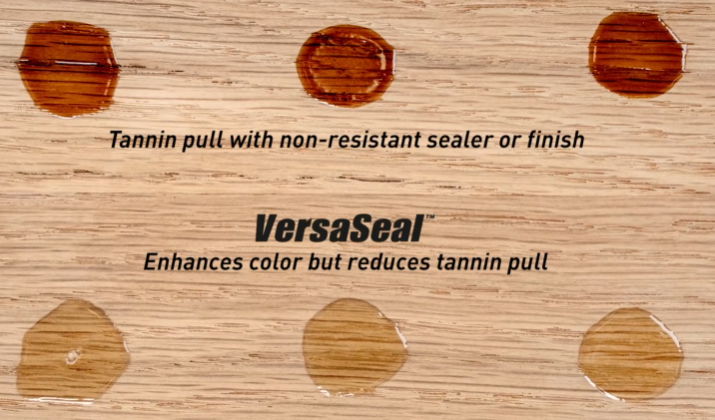
Step #2: Control Tannins with the Right Sealer
Without a resistant sealer, tannins can migrate into a non-resistant finish during the wet phase of application, creating visible dark spots. A properly engineered sealer enhances color while reducing tannin pull.
Lock ‘N Seal™ is designed specifically to address tannin pull on
white oak and other tannin-rich species. It’s a strong option when tannin control is the primary concern because it:
- Locks tannins in place to prevent discoloration
- Reduces darkening caused by heavier application areas
- Minimizes visible applicator marks and lap lines
- Dries crystal-clear to maintain the intended color
For projects that call for versatility and balanced performance—especially over stained white oak—VersaSeal™ offers a reliable foundation. It supports consistent results by:
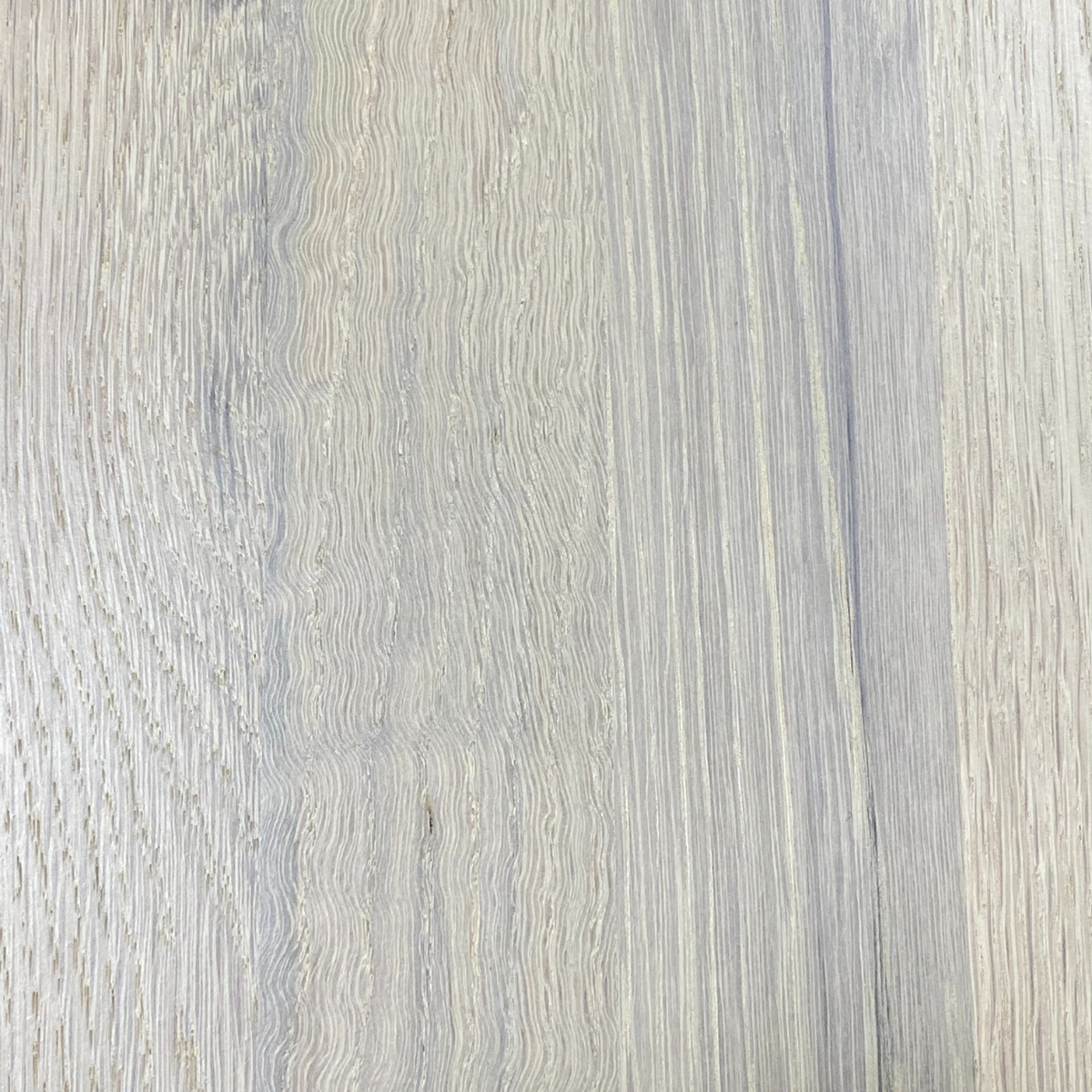
- Reducing tannin pull while maintaining clarity
- Minimizing grain raise for a smoother surface
- Preventing color burn from heavy spots
- Creating a uniform base for finish coats
White oak’s tight grain and neutral undertones make it an ideal substrate for modern stain systems like HyperTone™ Stains,
supporting consistent color development across both light and dark tones. Because white oak contains natural tannins, using the right sealer helps maintain uniformity and ensures the finished floor reflects the intended color.
Both options reinforce the same goal: controlling tannins early so the finish system can perform as intended.